
Top-Rated Products For Brush Haulings To Improve Your Workflow
Upgrade your toolkit with proven products that streamline brush removal and transportation for any job size.
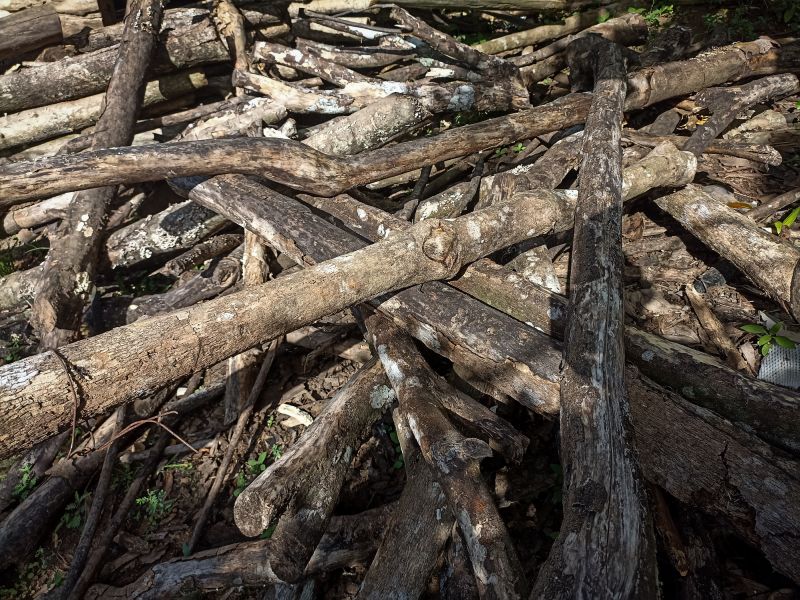 When it comes to managing brush and debris, selecting the appropriate tools can make a significant difference in efficiency and safety. Products designed for brush haulings vary widely, offering options suited for different types of foliage, terrain, and user preferences. From handheld tools to larger equipment, understanding the features and capabilities of these products can help users choose solutions that fit their specific needs. Whether clearing small overgrowth or tackling larger brush piles, the right equipment can facilitate a more streamlined cleanup process.
Top Overall Option
Multi-Functional Brush Clearing Tool
This versatile tool combines a robust blade, extendable handle, and ergonomic grip, making it suitable for various brush clearing tasks. Its adjustable length and interchangeable attachments allow users to customize their approach for different types of foliage and terrain, providing a balanced mix of power and portability. Designed for durability and ease of use, it is a practical choice for both professional landscapers and homeowners managing outdoor spaces.
Types of Products For Brush Haulings
Handheld Pruning Shears
Ideal for trimming small branches and shrubs, offering precision and control in tight spaces.
Loppers
Long-handled cutting tools suitable for thicker branches, providing leverage for easier cuts.
Brush Axes
Heavy-duty axes designed for chopping through dense brush and woody material.
Reciprocating Saws
Power tools equipped with specialized blades for cutting through thick brush and small trees.
String Trimmers / Weed Eaters
Portable tools for trimming grass and light brush along edges and hard-to-reach areas.
Chainsaws
Powerful devices suitable for cutting larger branches and small trees during cleanup.
Garden Rakes
Tools for gathering loose debris and clearing smaller brush from the ground.
Wheelbarrows
Useful for transporting collected brush and debris efficiently across the worksite.
Pull-Behind Brush Cutters
Larger equipment designed for heavy-duty clearing of overgrown areas and thick brush.
Hand Saws
Manual saws suitable for small to medium branches and woody material.
Pole Pruners
Extendable tools that allow trimming of high branches without a ladder.
Debris Bags
Heavy-duty bags designed for collecting and disposing of brush and yard waste.
Brush Grinders
Equipment for mulching and reducing brush into manageable mulch or chips.
Manual Hoe and Weeding Tools
Tools for removing smaller brush and weeds from garden beds and borders.
Power Brooms
Motorized tools for sweeping and clearing debris from pathways and driveways.
Popular Choices
Convenient for quick trimming and shaping of small branches and shrubs.
Powerful options for cutting through larger branches and small trees during brush removal.
Popular for reaching high branches safely and efficiently.
Lightweight and portable for trimming along fences, edges, and light brush.
Preferred for shaping and trimming bushes and small shrubs.
Versatile and easy to maneuver for clearing overgrown areas.
Ideal for transporting collected brush from the worksite to disposal areas.
Helpful for clearing loose debris and light brush from pathways and lawns.
Combine axe and adze for versatile brush and root removal tasks.
Popular for reducing brush into mulch or chips for easy disposal or use.
Convenient for trimming and shaping bushes and shrubs with minimal effort.
Effective for gathering and clearing large amounts of loose debris and small brush.
Hand tools designed for pulling and lifting brush during site clearing.
Many tools are designed with durability and ease of use in mind, often featuring ergonomic designs and sturdy construction to withstand tough outdoor conditions. Some products are lightweight, making them suitable for extended use without fatigue, while others are built for heavy-duty tasks, capable of handling dense or woody material. Accessories and attachments can further enhance functionality, allowing for versatility across different tasks. Proper selection ensures not only effective clearing but also safety and comfort during operation.
Additionally, considering storage and transportation options is important, especially for those who need to move equipment across different job sites. Compact and foldable designs can aid in portability, while storage solutions can help keep tools organized and protected. Maintenance requirements and availability of replacement parts are also factors to consider, ensuring the longevity and consistent performance of the products. By evaluating these aspects, users can find products that align with their project scope and operational preferences.
Overall, investing in the right products for brush haulings can lead to more efficient cleanup sessions, reduced physical strain, and improved safety. Carefully examining the available options and understanding their features can help users make informed decisions that support their outdoor maintenance tasks effectively.
Key Buying Considerations
- Type of brush or debris you need to clear, such as small branches, thick brush, or woody material.
- Power source preferences, including electric, battery-powered, or manual options.
- Weight and size of the tool for ease of handling and extended use.
- Durability and build quality to withstand outdoor conditions and frequent use.
- Blade or cutting mechanism design for precision and efficiency.
- Adjustability features like extendable handles or multiple attachments.
- Safety features such as blade guards, safety switches, and ergonomic grips.
- Ease of maintenance and availability of replacement parts.
- Storage solutions for compactness and portability, especially for frequent movers.
- Noise levels, particularly if working in noise-sensitive environments.
- Budget constraints and value for the features offered.
- Compatibility with other tools or attachments you may already own.
- User reviews and ratings to gauge real-world performance.
- Availability of accessories like debris bags, extension cords, or replacement blades.
- Environmental conditions of your worksite, including terrain and accessibility.
This content contains affiliate links. We may earn a commission if you choose to purchase through these links, which helps support our work without additional cost to you.